
Hill Country water is hard. Sized right. Set right. Explained.
We test your water on-site first so you see the actual hardness number. Then we size the softener to your household — not a one-size-fits-all unit — and tune the regeneration cycle so it's not wasting salt or water.
Call 830-214-4133✓ On-site hardness test · ✓ Sized to your household · ✓ Written price first
What Hard Water Is Doing to Your Home
At 15–25+ grains per gallon, Hill Country water is some of the hardest in Texas. Here's where it shows up first:
Kills Water Heaters Early
Scale builds up inside tank heaters and clogs tankless heat exchangers. A heater that should last 12 years lasts 6–8 in Hill Country hard water. A softener protects the investment.
Destroys Fixtures & Faucets
Calcium scale eats cartridges, corrodes brass, and pits chrome. Hard water is why faucets here need cartridge replacements far sooner than the manufacturer expects.
Clogs Pipes & Appliances
Scale narrows pipes over time and leaves deposits in dishwashers, washing machines, coffee makers, and ice makers — shortening their lifespan.
Affects Skin, Hair & Laundry
Hard water leaves soap scum on skin and hair and makes laundry feel stiff. Soft water uses less soap and rinses cleaner.
Salt-Based vs. Salt-Free — The Honest Comparison
The water treatment industry oversells salt-free conditioners. Here's the straight-talk version:
Salt-Based Ion Exchange
The reliable choice for Hill Country
Pros
- ✓Fully removes hardness minerals (calcium, magnesium)
- ✓Best protection for tankless water heaters
- ✓Properly tuned, wastes minimal salt
- ✓10+ year lifespan with proper maintenance
Cons
- •Adds a small amount of sodium to water
- •Requires salt refills every 1–3 months
- •Needs a drain connection for regeneration
Salt-Free Conditioner
Changes mineral behavior, doesn't remove them
Pros
- ✓No salt to add
- ✓No drain needed
- ✓Some scale reduction benefits
Cons
- •Does NOT remove hardness — GPG stays the same
- •Not recommended for protecting tankless units
- •Less effective in very-hard water (20+ GPG)
- •We'll tell you honestly if this is the right fit
What's Included in Every Install
- On-site water test with actual GPG reading before we recommend anything
- Softener sized to your household — fixture count, people, and measured hardness
- Professional installation with proper bypass valve
- Regeneration cycle programmed to your actual usage — not a default factory setting
- Brine tank and salt level walkthrough so you know what to watch
- Full pressure and flow test before we leave
Tired of replacing faucet parts and water heater elements?
It's almost always the water. We test it on-site, show you the actual hardness number, and give you a written price before touching anything.
830-214-4133Why Hill Country Homeowners Call Cowboy
We Know Hill Country Water
We test the water in this area constantly. We know what GPG reading to expect in New Braunfels vs. Canyon Lake vs. Spring Branch, and we size accordingly.
No Scare-Tactic Selling
We test your actual water at your actual house. If city water plus a simple softener covers it, that's what we'll tell you — not the most expensive system on the truck.
Tuned to Your Household
A factory regeneration setting wastes salt and water. We program the cycle to your household's usage so the unit runs efficiently for years, not months.
Questions Homeowners Ask
How hard is the water in New Braunfels and the Hill Country?
Very. Hill Country groundwater commonly tests between 15 and 25+ grains per gallon — well into the 'very hard' range. We test your incoming water on-site so you see the actual number before we recommend anything.
What size water softener do I need?
Sizing depends on your measured hardness, the number of people in the home, and daily water use. An undersized unit regenerates constantly and wears out early; an oversized one wastes salt. We size to your household, not a one-size-fits-all model.
Do salt-free water conditioners actually work?
They change how minerals behave, but they don't remove hardness the way a true ion-exchange softener does — and they don't protect tankless water heaters as well. We'll give you the honest comparison for your goals.
How much salt does a softener use, and how often do I add it?
Most households add salt every one to three months, when the brine tank drops below half. We tune the regeneration cycle to your actual usage so the unit isn't wasting salt or water.
Can I drink softened water?
Softened water is safe for most people, but it does carry a small amount of sodium. Many homeowners pair the softener with a reverse-osmosis unit at the kitchen sink for drinking water — we install both, quoted separately.
Will a softener help my water heater last longer?
Yes. Scale buildup is the number one killer of tank and tankless water heaters in hard-water areas. A properly sized softener dramatically slows scale formation and protects fixtures, appliances, and glass.
Recent water softener jobs from the truck
Real recent work in this category, with photos and a plain-English write-up.
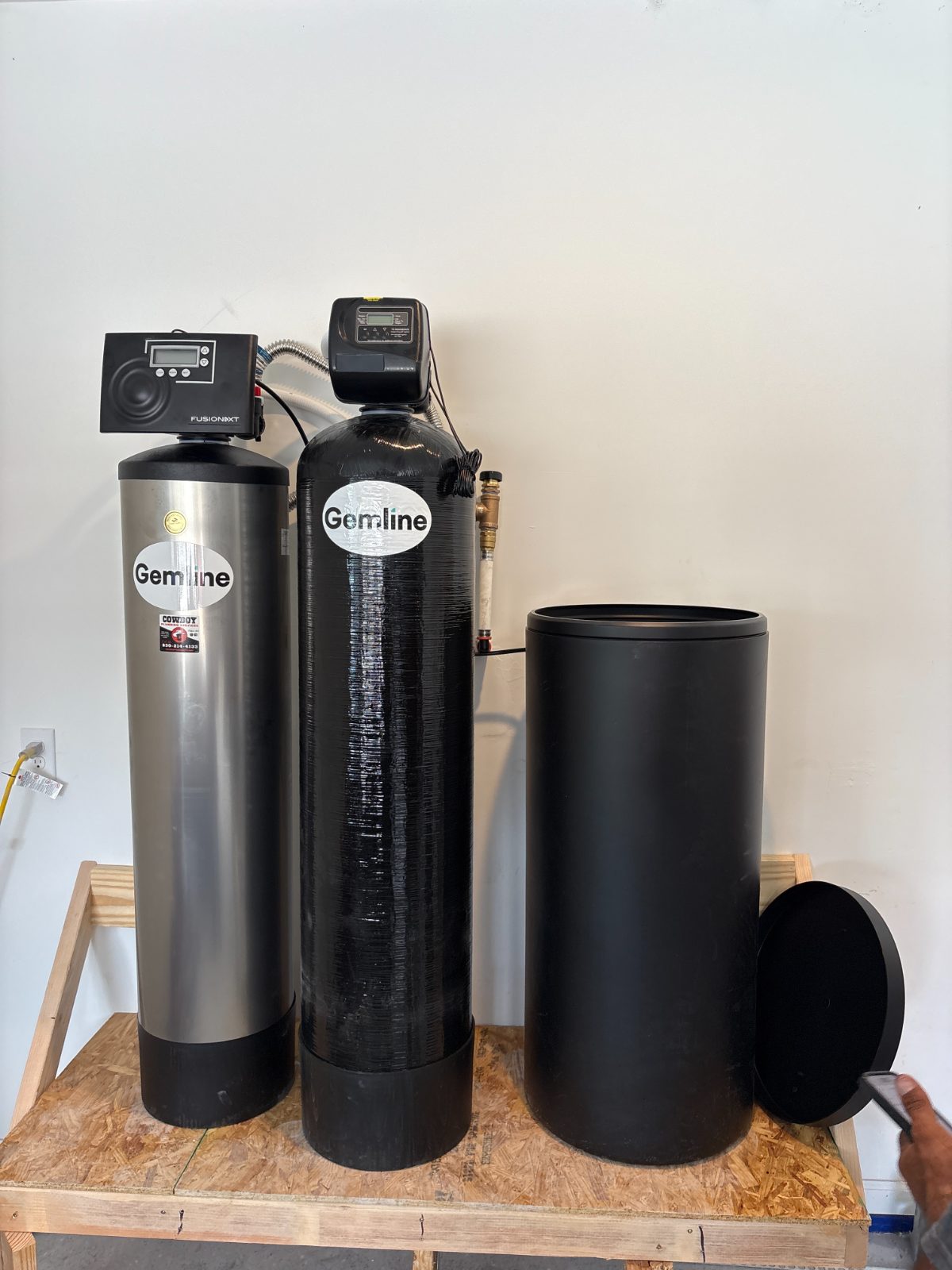
water Softener and Carbon Filter
Installed quarter turn shutoff and male adaptors to transition into new 70k water softener plus carbon filter on existing loop.
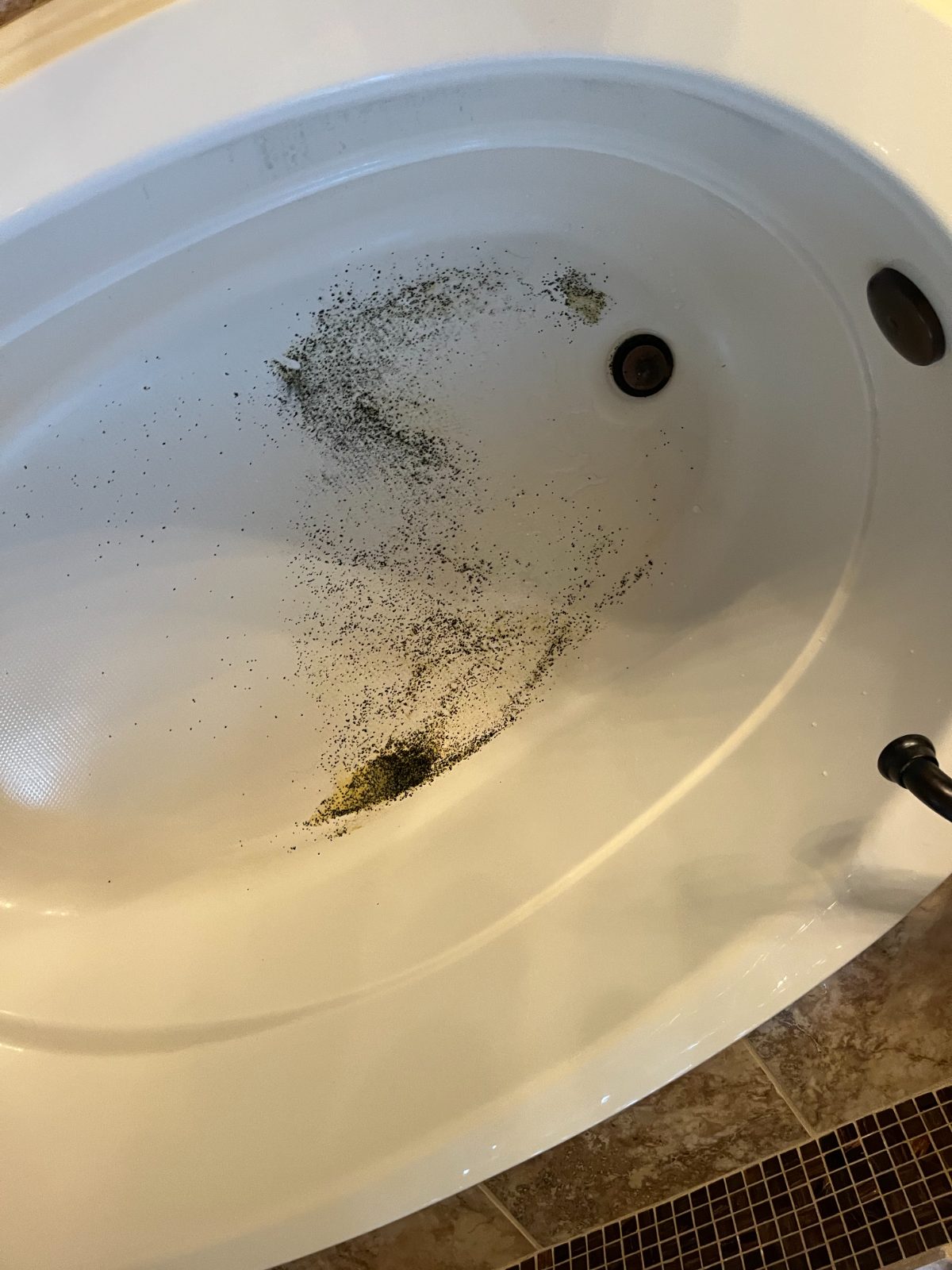
Flush Resin
Customer's water softener failed and sent resin beads throughout household plumbing. Flushed out debris and replaced supply lines on toilets.
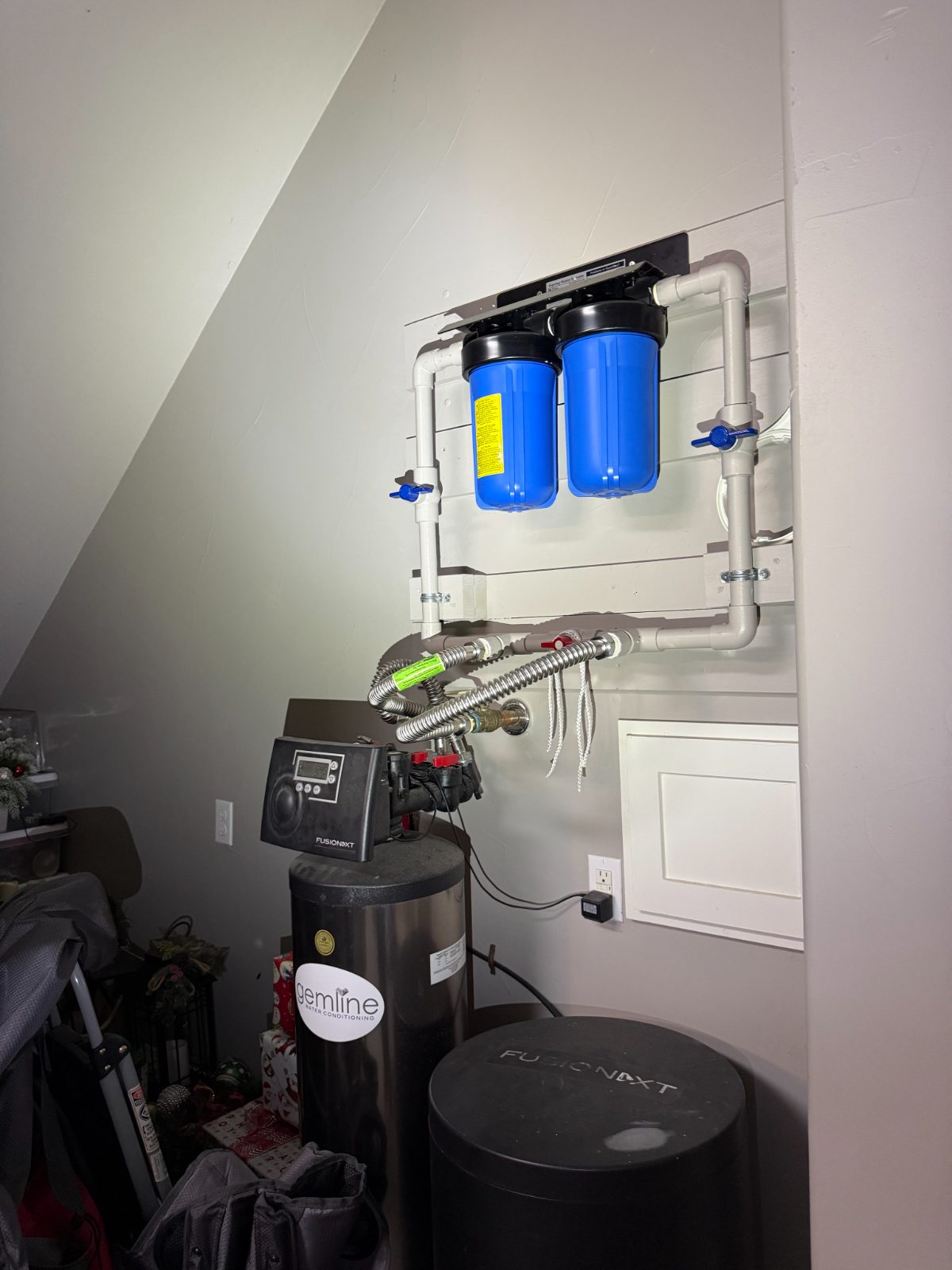
Water Softener Installation
Supplied and installed 70k water softener at existing loop. Also supplied and installed carbon filter and provided 3 bags of salt. The softener and the filter are running properly at this time.
Water Softener Service Area
We install and service water softeners across Central Texas including:
New Braunfels · Canyon Lake · Seguin · San Marcos · Kyle · Buda · Boerne · Spring Branch · Bulverde · Northeast & Northwest San Antonio
Tired of hard water?
We test your water on-site, size the softener to your household, and tune the regen cycle. No bundled add-ons you don't need.